Selecting a Botanical Mineral Sunscreen That Suits Your Daily Routine
A sunscreen may look promising on the shelf yet feel uncomfortable halfway through the morning. It may feel unpleasant when layered over moisturiser, produces an appearance you would rather avoid or makes reapplication inconvenient. These small aspects of daily use deserve attention because effective everyday sun protection relies in part on regular product use and according to the recommended application amount.
Selecting a botanical mineral sunscreen SPF 50 therefore means considering more than the highest numbers displayed on the label. Consistency, hydration and individual skin sensitivity and how well the formulation fits into your current skincare routine are all worth considering. A useful starting point is to consider the factors that normally discourage you from applying sunscreen, then look for a formulation that responds to your main concern.
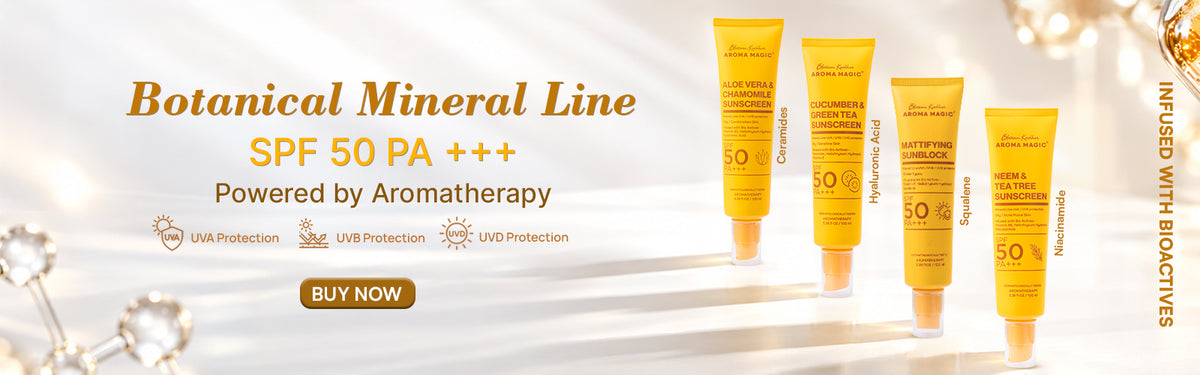
Aroma Magic sunscreen SPF 50 PA+++ formulations offer different textures and combinations of ingredients for comparison. Learning how the formulations differ can make your selection more considered without expecting one product to suit every person or every situation.
Start With the Part of Your Routine That Feels Uncomfortable
Before choosing another sunscreen, reflect on how earlier formulations felt on your skin. Did your skin feel oily as soon as you applied the product, or did your face become shiny as time passed? Did a cream feel comfortable on your cheeks but heavy across your forehead? Was the problem the sunscreen itself, or several rich products layered underneath it?
These distinctions help narrow the choice. Anyone whose skin feels dry and tight following cleansing might prefer the feel of a moisturising cream. Anyone uncomfortable with a noticeable coating on the skin could favour a gel formulation. A person seeking a less shiny appearance may focus primarily on how the sunscreen looks after application.
Your skin can also behave differently across the face. Combination skin does not always need an entirely different sunscreen for each area, but they may benefit from adjusting how much moisturiser they apply beneath it. A comfortable routine often comes from matching the whole sequence of products rather than relying on sunscreen to resolve all skincare concerns.
Understand What the Protection Labels Actually Tell You
The SPF value indicates protection against UVB radiation under controlled and standardised test conditions. The PA rating relates to UVA protection. These labels address different aspects of sun protection, so it is useful to read them together rather than treating either as a complete description of performance.
An SPF 50 rating should not be interpreted as meaning that a single morning application provides unlimited protection. Application quantity, overlooked areas, friction and duration of outdoor exposure all affect practical use. Similarly, a comfortable formulation does not make up for using a smaller amount than the instructions specify.
According to the provided range information, non-nano zinc oxide is identified as the mineral filtering ingredient common to the four products. Botanical ingredients accompany that filter, but they serve a different purpose within the formulation. Plant extracts, hydrating ingredients and a desirable finish should be evaluated in addition to the declared protection, rather than treated as substitutes for it.
Evaluate the Different Formulations in Daily Scenarios
Consider preparing for your journey to work on a warm morning. You already use a light moisturiser and dislike anything that feels rich around your nose. For this particular routine, consistency may be the main consideration. Neem & Tea Tree Sunscreen SPF 50 PA+++ is presented as a light gel formulated for oily and acne-prone skin, so it may be worth considering for this situation.
Think instead about a morning when cleansing leaves your cheeks uncomfortable and tight. Cucumber & Green Tea Sunscreen SPF 50 PA+++ is identified as a cream formulation for dry or sensitive skin. The focus on moisturisation could be more relevant than selecting a gel only because gel textures are generally perceived as lightweight.
Aloe Vera & Chamomile Sunscreen SPF 50 PA+++ provides an additional gel formulation, with the supplied description positioning it for oily and combination skin. Mattifying Sunblock SPF 50 PA+++ takes a different approach, pairing a cream texture with a matte finish.
Such differences explain the importance of assessing texture and appearance independently. Cream formulations can be created to provide a matte appearance, while a gel can still provide hydration. Neither format automatically determines how your skin will respond.
Why Oily Skin Also Benefits From Balanced Moisturisation
When selecting an SPF 50 mineral sunscreen for oily skin, minimising shine can become the main consideration. However, a satisfactory appearance should be accompanied by comfort. A sunscreen that produces an uncomfortable tight sensation may be unpleasant even if it initially looks matte.
The available product details for the neem and tea tree sunscreen identifies niacinamide as well as vitamin B5 together with the botanical ingredients. Such details provide context for the formulation's intended skincare role, but they cannot confirm that the product will manage oiliness for everyone or eliminate the possibility of breakouts.
Assess the formula with your usual routine rather than adding several new products at once. When your current moisturiser seems too heavy, assess whether a less rich moisturising product might improve the comfort of the complete routine.
Also distinguish between shine and irritation. A mildly glossy appearance is a matter of personal preference; ongoing burning sensations, itching or visible redness indicates that you should reassess the formula or product combination. Achieving a matte finish does not justify putting up with irritation.
Acne-Prone Skin Calls for Careful Expectations
Finding an SPF 50 sunscreen for acne-prone skin involves SPF 50 mineral sunscreen for oily skin more than selecting an ingredient associated with blemish care. Every component of the finished product deserves consideration, as does your individual response. A plant-derived ingredient highlighted on a sunscreen tube cannot predict whether the finished product will agree with your skin.
The aloe vera and chamomile formulation is presented as a non-comedogenic product in the available information. This indicates that the formula is intended to avoid clogging pores; it does not mean that breakouts are impossible for everyone who applies it.
Introduce a new sunscreen while keeping the rest of your routine reasonably stable. When you replace your cleansing, moisturising and sunscreen products simultaneously, tracing the source of an unwanted skin response becomes more challenging.
Your expectations should reflect the actual purpose of sunscreen. The main function of sunscreen is to protect against sunlight-related ultraviolet exposure. It is not a substitute for treating ongoing acne simply because the product highlights neem, tea tree or a different botanical component.
Why Skin Dryness and Sensitivity Need Separate Attention
Dry skin and sensitive skin often appear together in product descriptions, but they do not represent exactly the same concern. Experiencing dryness may encourage you to choose a formulation with greater moisturising comfort. Sensitivity makes the full ingredient list and your history of reactions especially relevant.
The product containing cucumber and green tea is presented as a formulation with ceramide and vitamin E. The creamy consistency might suit a person who wants a more cushioned feel, particularly when lighter products leave the skin uncomfortable.
Even so, a sunscreen formulated with sensitive skin in mind is not automatically suitable for every sensitivity. Likewise, botanical ingredients are not universally gentle simply because they come from plants. If particular ingredients have caused discomfort for you before, examine the entire formulation before including it in your routine.
Trying a small area first can help reveal an obvious reaction, although such testing cannot promise that reactions will never occur later. Discontinue the sunscreen if it repeatedly irritates your skin. Repeated discomfort deserves attention rather than continued experimentation with increasingly complicated layers.
Recognise the Difference Between Matte Finish and White Cast
A matte finish describes how shiny the skin appears. The term white cast means a visible whitish film left on the skin. These are two distinct product qualities, and the same product may produce different results for these characteristics.
According to the provided details, Mattifying Sunblock SPF 50 PA+++ is positioned as a cream intended to feel non-greasy, containing squalane and vitamin F, with a no-white-cast finish. These characteristics provide relevant points for assessment, but the actual finish on your complexion is important to consider.
When choosing mineral sunscreen SPF 50 without white cast, evaluate it at the intended application amount. A very small amount might appear transparent while a proper application looks different. Examine the areas near your eyebrows, along the hairline and beside your nose, where a pale film may become more apparent.
Allow the formulation to settle before checking its finish under daylight. Do not apply less sunscreen merely to achieve a more appealing finish. If a formula only looks acceptable when applied too sparingly, a different sunscreen texture or formula could suit you better.
Keep Aromatherapy Claims in Their Proper Place
Mineral sunscreen powered by aromatherapy describes the botanical positioning and formulation philosophy of the range. Such wording should not take the place of the SPF value, PA classification and application instructions.
According to the available description, Helichrysum Hydrosol is included across the formulations, alongside other ingredients that vary between individual products. This shared botanical component gives the collection a common theme, while each option is differentiated by its texture and additional ingredients.
For someone who enjoys botanical skincare, that approach may contribute to the appeal of a product. However, preference and tolerance still matter. A formulation might reflect botanical skincare principles while proving uncomfortable or unsuitable for some people.
Focus on practical factors when making your selection: assess how pleasant the product feels on your skin, can be applied adequately and works with your daily routine. These observations are more useful than assuming that one formulation style ensures greater sun protection or universal suitability.
Create a Skincare Routine That Preserves Your Sunscreen Layer
Even a suitable formulation can become unpleasant to wear when combined with too many products. Layering a concentrated serum, substantial moisturiser, sunscreen and several cosmetics may produce a result that differs from wearing the sunscreen alone.
Begin with the skincare your skin actually needs. Apply sunscreen according to its instructions and give earlier skincare layers time to settle before sunscreen application. Refrain from blending sunscreen with foundation or moisturiser before application, because doing so alters the distribution of the sunscreen.
If your skincare layers start to gather into small rolled particles, simplify the routine and reassess the combination. Rubbing too much can negatively affect the appearance. Allowing each formulation to settle may make it easier to identify a layering problem from a formula you simply dislike.
Assess your chosen combination on a typical day before depending on it during an extended period outdoors. Pay attention to whether the recommended quantity feels comfortable and whether reapplication remains manageable later.
Consider Sun Exposure Throughout the Entire Day
The most convenient morning routine still needs to account for what happens afterwards. Travelling in the morning, eating outdoors at lunchtime and walking during the afternoon may expose you to sunlight at different times throughout the day.
Put on sunscreen ahead of outdoor exposure, following the product's directions. Make sure exposed skin receives careful coverage, including easily missed places such as the ears and neck. During outdoor activities, apply sunscreen again roughly every two hours and after activities involving swimming or sweating, as specified on the label.
Do not assume that SPF 50 means water resistance. Check the individual label when considering sun protection during physical activity, swimming or other moisture-heavy conditions.
Using sunscreen is only one element of protection that also involves shade and clothing. A hat and suitable clothing can reduce exposure while sunscreen protects areas left uncovered. This combination is more practical than expecting any cream or gel to do every part of the job.
Conclusion
Selecting a suitable sunscreen starts by recognising what your skin and routine need from the formula. Compare gel and cream textures, assess moisture and finish separately, and evaluate botanical components as elements of the overall formula. Among the Aroma Magic sunscreen SPF 50 PA+++ products, the available formulations offer multiple possibilities to evaluate. Select a sunscreen that allows comfortable application in the recommended amount, then combine it with thorough application, appropriate reapplication and practical precautions when outdoors.